Majiayao Site
Introduction
The Majiayao Site is a key archaeological site located in Lintao county, Gansu province. It serves as the eponymous site for the Majiayao culture, a significant Neolithic culture that existed between 4,000 to 4,800 years ago. This culture is divided into three distinct phases: Majiayao, Banshan and Machang. The Majiayao culture is notable for its remarkable contributions to prehistoric pottery and its widespread influence across various regions.
Geographical Distribution
The Majiayao culture was primarily centered around the Loess Plateau in western Gansu, with its influence extending from the upper reaches of the Weihe River in the east to the Hexi Corridor and northeastern Qinghai in the west. It also spread from southern Ningxia in the north to northern Sichuan in the south. The culture's distribution encompassed the Yellow River and its tributaries, including the Taohe, Daxia and Huangshui Rivers.
Cultural Phases and Characteristics
Majiayao Culture
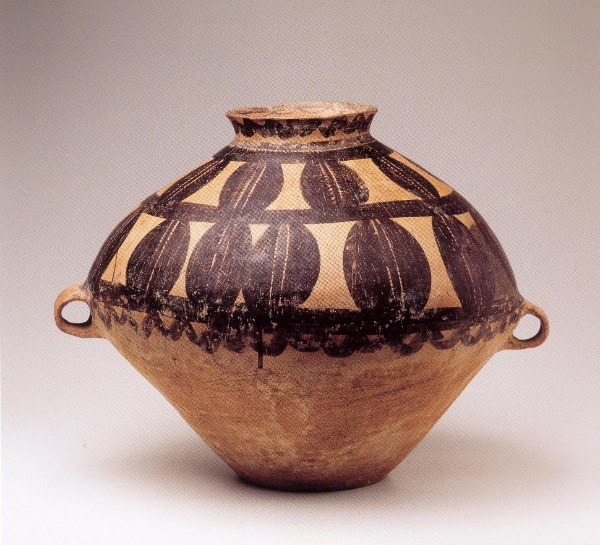
The Majiayao phase, dating back approximately 4,800 years, is characterized by its orange pottery, known for diverse shapes, intricate decorations and patterns such as vortexes, water waves and concentric circles. This period shows significant influence from the earlier Yangshao culture but demonstrates notable advancements in pottery craftsmanship. The pottery models during this time saw a transition as people began to settle, resulting in a variety of functional shapes like pans, bowls, urns, jars, bottles and even painted pottery drums, marking the earliest percussion instruments.
Banshan Culture
The Banshan phase, around 4,500 years ago, is marked by a prevalence of red pottery with some gray and white pieces. The period witnessed the peak of painted pottery art, with agriculture and settled lifestyles supporting advanced pottery-making techniques. Delicate designs, primarily using red and black lines, adorned these potteries, featuring patterns like spirals, zigzags, diamonds, gourds and meshes, typically placed on the upper belly of the pottery. The potteries from this phase are notable for their large storage capacities and well-proportioned designs, reflecting the settled lifestyle of the inhabitants.
Machang Culture
The Machang phase, dating back 4,000 years, represents further diversification in pottery styles, patterns and colors. The phase is distinguished by its red pottery, with fewer gray and white examples. Notable pottery forms include single-ear cylindrical cups with handles. Early Machang potteries were well-polished, although later examples show a decline in surface finishing, with many remaining rugged and unpolished. The decoration techniques evolved to include patterns such as four circles, divine and human figures, zigzags, frets, hexagrams, rhombi and triangles.
Significance
The Majiayao Site and its associated culture provide insight into the Neolithic period in China, particularly in terms of technological advancements in pottery-making and the cultural exchanges that occurred across regions. The archaeological findings from this site not only highlight the artistic and practical aspects of early Chinese pottery but also underscore the transition of human societies towards more settled and agriculturally focused communities.








